Packing Guide for a 13-Week Travel Contract
To prepare for a 13-week travel contract effectively, you must combine smart, intentional packing with efficient organization strategies, using this comprehensive guide as your framework. This preparation takes weeks of planning and requires meticulous attention to detail, ensuring a stress-free start.
Prerequisites:
A confirmed travel contract.
Initial research on housing specifics and destination climate.
All vital professional documents gathered.
Thirteen weeks is the most common travel nursing assignment length. Many healthcare travelers, accustomed to shorter trips, often underestimate the logistical challenge of setting up a temporary home for three months or more. This often results in frantic last-minute trips to big-box stores (or expensive online orders) because crucial items were left behind. Or worse, overpacking leads to hefty airline fees and difficult moves, sapping energy. This guide offers efficient packing tips travel nurse for this exact scenario.
By the end of this guide, you will have mastered packing for a 13-week travel contract. You will arrive organized and prepared, leaving you free to focus solely on your clinical responsibilities and adapting to a new environment, not on unpacking frustrations.
Mastering Your Pre-Assignment Planning
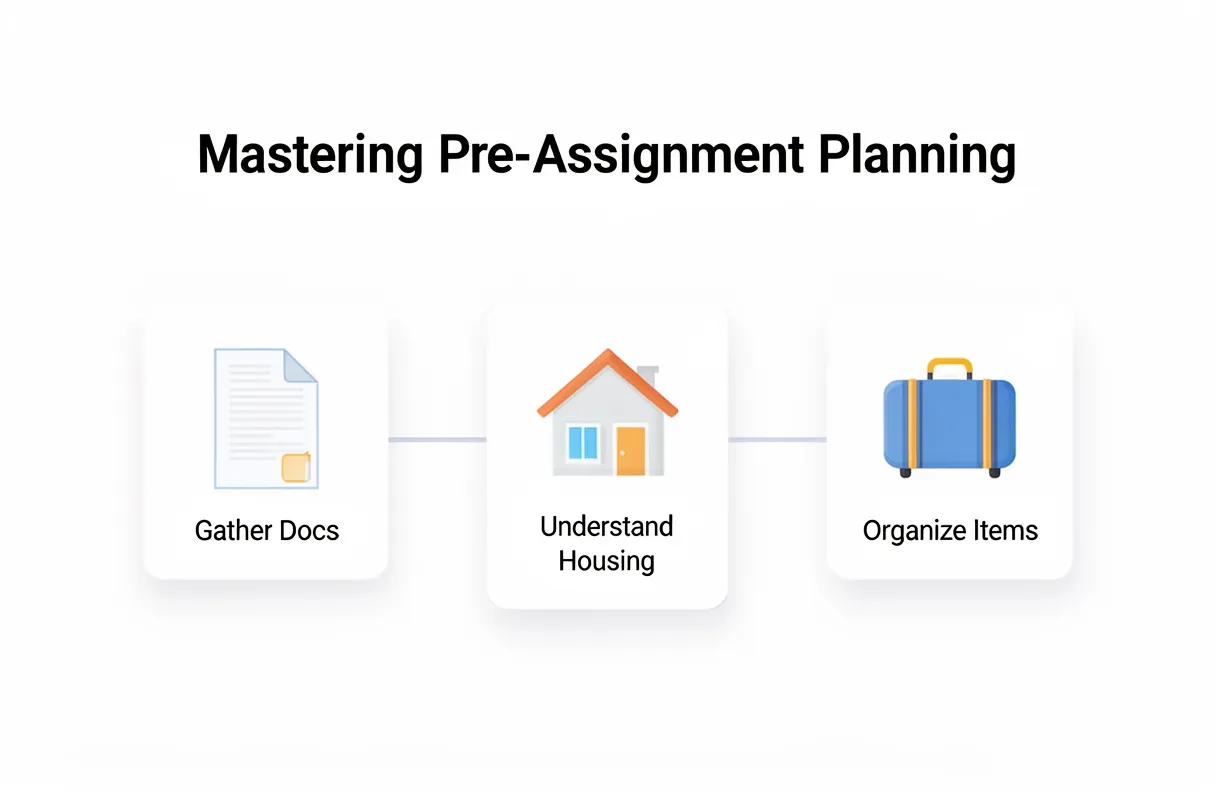
Successful preparation for a travel nursing assignment starts long before your bags are packed. This initial phase is about gathering crucial information and organizing essential items. Smart, intentional packing for a 13-week contract avoids the stress of forgotten items or the burden of overpacking. Key steps include initial research, understanding your housing situation, and organizing critical documents.
Research Your Destination & NeedsBefore you even think about what to put in your suitcase, understand where you're going. What's the climate like? What are the local activities? Packing for a tropical assignment requires different gear than a winter contract in the mountains. Researching the typical weather patterns and expected activities will directly inform your packing list, preventing you from buying unnecessary items or realizing you're missing essentials.
Clarify Housing ProvisionsIt’s equally important to know what your temporary housing provides. Does it come fully furnished with housewares, cleaning supplies, and linens? Or are you starting from scratch?
What to Clarify:
Furnishings (beds, couches, tables)
Kitchenware (pots, pans, utensils, dishes)
Linens (towels, bedding)
Cleaning supplies
Appliances (washer, dryer, microwave)
Knowing these details prevents costly duplicates and unnecessary bulk in your luggage. For instance, knowing your accommodation includes a washer and dryer means you can pack fewer clothes for a 13-week travel contract.
Organize Essential DocumentsYour professional life hinges on having the right paperwork in order. This includes your medical licenses and certifications, employment contracts, and identification.
Key Documents to Gather:
Licenses (RN, compact license)
Certifications (BLS, ACLS, PALS)
Signed contract and job description
Agency and facility contact information
Insurance cards (health, liability)
Proof of identity (driver's license, passport)
Prep Professional GearBeyond documents, ensure your clinical tools are ready. A high-quality stethoscope, penlight, and trauma shears are standard. For clothing, plan for 3-5 sets of comfortable scrubs and invest in supportive shoes designed for long shifts. Efficient packing tips travel nurse professionals prioritize practicality and comfort.
Clarifying Housing & Location Specifics
Understanding your destination and housing situation before you start packing saves considerable stress and prevents bringing unnecessary items. This initial research phase dictates what specific gear you'll need beyond your standard professional kit.
Packing for a travel nursing assignment isn't just about fitting clothes into a suitcase; it's about intelligently preparing for a specific environment and living situation.
Location Climate: Research the typical weather patterns for your assignment location during your contract dates. Packing a warm coat for a Seattle assignment in January is different from bringing light rain gear for a summer contract in San Diego. Think about outdoor activities too – beach gear for Florida or hiking boots for Colorado can make a big difference.
Housing Furnishings: This is a major packing factor. Does your provided housing come fully furnished, including cookware, linens, and basic cleaning supplies? Or is it a bare-bones setup requiring you to bring everything from spatulas to toilet paper?
Clarifying these details upfront prevents buying duplicates or arriving unprepared. For instance, when researching assignments, you can use resources like MedNomadJobs to find comprehensive contract details. This helps you compare transparent pay packages and filter jobs by specialty, including roles for a travel physical therapist in New York. Understanding the specifics of a location's requirements for travel allied health professionals ensures you pack precisely what's needed.
What to Clarify About Your Housing:
Furnishing level (furniture, kitchenware, linens)
Included amenities (Wi-Fi, utilities, laundry access)
Availability of basic supplies (cleaning products, paper goods)
Proximity to essential services (grocery stores, pharmacies)
A confirmed contract is the first step to understanding these specifics. Then, you can pack smart.
Organizing Vital Documents & Professional Gear
Gathering your vital documents and professional gear is the next concrete step. You need your medical licenses, including ACLS, BLS, and PALS, front and center. Signed contracts, your job description, and all agency contact information are equally non-negotiable. Don't forget personal identification like your driver's license and passport, plus copies of your insurance cards. A compact nursing license can be a game-changer for travel nurses, streamlining work across state lines.
Store physical copies in a waterproof 'go-folder.' Always maintain secure digital backups. This dual approach ensures you always have critical information accessible.
For professional gear, a high-quality stethoscope is paramount. Pack a reliable penlight and trauma shears – these are everyday necessities. Most travel nurses pack 3-5 sets of scrubs, so choose breathable, durable fabrics. And most importantly, invest in comfortable, supportive shoes designed for long shifts on your feet.
Storage Method | Pros | Cons | Best For |
|---|---|---|---|
Physical Folder | Immediate access, no reliance on tech; tangible proof. | Vulnerable to damage (water, fire); bulkier. | Licenses, contracts, ID copies. |
Secure Digital Backup | Accessible from anywhere with internet; easy sharing; space-saving. | Requires device and power; potential for cyber threats. | Scans of all documents, contact lists, notes. |
Essential Medical Tools:
High-quality stethoscope
Reliable penlight
Trauma shears
Blood pressure cuff (if not provided)
Comfortable, supportive shoes
Advanced Packing Techniques for 13-Week Contracts
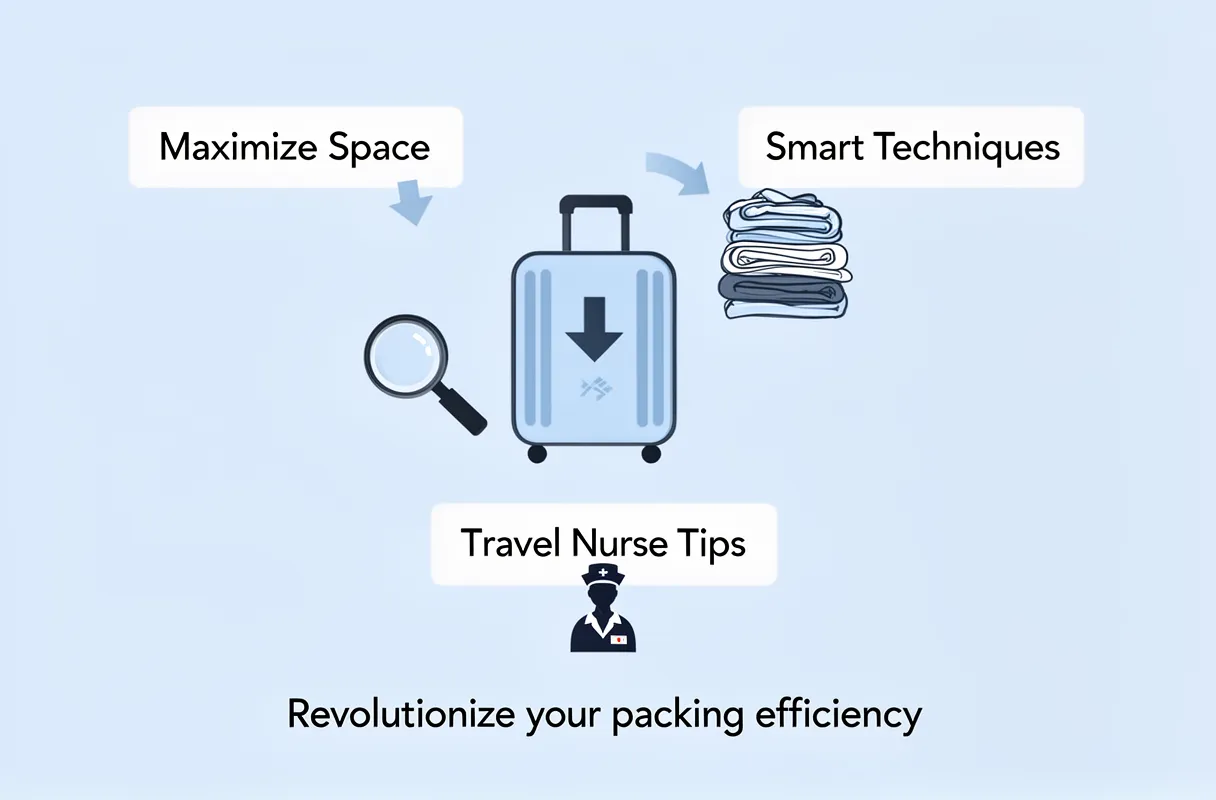
Packing efficiently for a 13-week travel contract means mastering techniques that maximize space and minimize weight, preventing common travel mishaps. This section covers specialized methods beyond basic lists, focusing on the practical 'how-to' for effective packing. These are essential efficient packing tips for travel nurses undertaking a longer assignment.
Transforming how you pack involves several key strategies. Think less about what fits and more about how items can be compressed, multi-purposed, and protected. This approach ensures you bring what you need without overstuffing your luggage.
Layering Clothing for Versatility: Pack versatile pieces that can be layered. For example, a base layer can work in a cold climate or under warmer clothes.
Utilizing Packing Cubes Strategically: Group similar items into cubes to compress them and keep your suitcase organized. This makes unpacking at your destination much quicker.
Protecting Liquids and Toiletries: Use cling wrap under bottle caps before screwing them on, then place all liquids in a dedicated, leak-proof toiletry bag.
Consider multi-use items. A sarong can be a beach towel, a scarf, or a light blanket. Pack wrinkle-resistant fabrics whenever possible to reduce the need for ironing. For additional expert advice and tools specifically tailored for travel nurses, exploring resources like BluePipes' comprehensive packing tips can further enhance your preparation.
Remember, the goal is a streamlined, functional packing system. This advanced approach ensures you arrive prepared and can focus on your contract, not on rummaging through an overstuffed suitcase.
Maximizing Space and Preventing Mishaps
Folding clothes efficiently saves significant luggage space. Rolling items, often called military rolling, minimizes wrinkles and compacts garments effectively. For highly-rated and effective travel organizers, consult expert reviews from sources like Travel + Leisure to ensure you choose the best tools for maximizing your luggage space.
Packing cubes are essential for organizing clothing and compressing air out of items. This makes it easier to fit more into your suitcase and keeps your belongings sorted. For liquids, secure caps with cling film before screwing them on to prevent spills. Store all toiletries in dedicated, leak-proof bags.
Consider wearing your bulkiest items, like a jacket or heavy boots, during travel days to save precious suitcase real estate. Compression bags can also be a lifesaver for bulky items like sweaters or bedding, significantly reducing their volume. Checking TSA regulations for carry-on liquids is important if you plan to fly, ensuring you adhere to the 3-1-1 rule.
Clothing Packing Techniques
Military Roll: Fold sleeves in, then fold the garment in half lengthwise. Roll tightly from the bottom hem upwards.
KonMari Method: Fold items into neat rectangles that can stand on their own. This allows for vertical storage in drawers and suitcases, making everything visible.
Compression Bags: Use vacuum-sealed or manually compressed bags for items like jackets, blankets, and extra bedding to remove excess air.
Packing Cubes: Group similar items (e.g., shirts in one, pants in another) for better organization and compression within your main luggage.
By employing these space-saving strategies, you can pack smarter, reduce the need for extra luggage, and avoid unnecessary stress.
Choosing Luggage, Shipping & First-Night Essentials
Selecting the right luggage and planning for your arrival are key to a smooth transition. Your choice between suitcases and duffel bags, hard-shell versus soft-shell, impacts durability and maneuverability for your 13-week travel contract.
Here’s a quick look at luggage types:
Feature | Suitcase (Hard-Shell) | Suitcase (Soft-Shell) | Duffel Bag |
|---|---|---|---|
Durability | Excellent, offers superior protection. | Good, often expandable, less rigid. | Variable, can be very durable if well-made. |
Weight | Can be heavier, but offers consistent protection. | Lighter than hard-shell, can be compressed. | Often lightest, but can be less structured. |
Maneuverability | Typically has spinner wheels for easy movement. | Good, especially with wheels. | Can be awkward to carry when fully packed. |
Pros | Protects fragile items, easy to stack. | Flexible, has external pockets, lighter than hard-shell. | Easy to shove into car trunks, very versatile. |
Cons | Scratches easily, less flexible for odd shapes. | Less protection for fragile items. | Can become disorganized, harder to access items. |
Distribute weight evenly in your luggage to prevent tipping and make handling easier. For a 13-week contract, consider shipping non-essentials ahead to lighten your load. Shipping offers the advantage of less to haul on arrival day, but it adds a layer of coordination and potential cost. Packing everything in your vehicle or suitcase means immediate access to your items.
Your first-night bag is critical. It should contain items you'll need immediately upon arrival before you fully unpack.
Change of Clothes: Fresh sleepwear and a comfortable outfit for the next day.
Basic Toiletries: Toothbrush, toothpaste, soap, face wash, and any essential personal hygiene items.
Medications: At least a week's supply of any prescription or over-the-counter medications.
Critical Documents: Copies of your contract, ID, any housing information, and emergency contact details.
Phone Charger: Essential for staying connected and accessing directions.
Small Snack: For immediate hunger pangs after a long journey.
Preparing this bag ensures you can settle in without a scramble.
Your Essential 13-Week Travel Contract Packing List
Preparing for a 13-week travel contract means packing smart. This comprehensive checklist covers everything a travel healthcare professional needs, tailored to long assignments. We’ll break down essential items into categories to ensure you’re fully equipped, whether it's your first time or you're a seasoned pro. This guide addresses the travel nurse packing list and what to bring for long contracts, focusing on efficiency and preparedness.
Professional Wardrobe & Tools
Your work attire forms the backbone of your packing. Aim for durability and comfort, as you'll be wearing these items frequently.
Scrubs: Pack 3-5 sets of scrubs. Choose comfortable, wrinkle-resistant fabrics. Consider your facility's color requirements.
Comfortable Shoes: Two pairs of supportive, slip-resistant shoes are essential for long shifts. Rotate them to allow them to dry and air out.
Work Jacket/Cardigan: A light layer for temperature-controlled environments.
Stethoscope & Accessories: Ensure your diagnostic tools are in good working order.
Pen Light & Small Notebook: For quick notes and assessments.
Personal Clothing & Capsule Wardrobe
Maximizing outfit combinations with fewer items is key for a 13-week stay. A capsule wardrobe approach saves space and simplifies dressing. Washing clothes once a week reduces the total amount needed.
Category | Essential Items | Climate Adaptability | Activity Focus |
|---|---|---|---|
Tops | 5-7 versatile t-shirts, 2-3 blouses/nicer tops | Layering works well | Casual, Gym, Going Out |
Bottoms | 2-3 pairs of jeans/trousers, 1-2 pairs of shorts/skirts | Depends on region | Versatile |
Outerwear | 1-2 versatile jackets (e.g., denim, light puffer) | Crucial for varying temps | Casual, Outdoors |
Activewear | 3-4 sets of workout clothes, 1-2 sports bras | Breathable fabrics | Gym, Running, Hobbies |
Sleepwear | 2-3 comfortable sets | Soft, breathable | Comfort |
Undergarments | Enough for 1-2 weeks | Quick-dry fabrics | Everyday |
Personal Comfort & Self-Care
Creating a home-away-from-home feel can significantly improve your well-being during a long contract.
Comfort Items: A favorite pillow, sheets, or a cozy blanket can make temporary housing feel more like your own.
Toiletries: Pack all personal hygiene items, including travel-sized options for initial use if preferred. Don't forget hair care, dental care, and any skincare products.
Medications: Carry at least a week's supply of any prescription or over-the-counter medications. Research how to get prescriptions refilled in your assignment location or arrange for mail-order refills. Managing medication logistics is vital.
Financial & Contingency Planning
Unexpected needs arise. Being prepared financially and having a backup plan prevents stress.
Budget for Extras: Allocate funds for items you might forget or need to replace. Target $100-$200 for unforeseen needs like an extra charger or a forgotten toiletry item.
Contingency Plan: If an item is forgotten or doesn't fit, identify local stores near your assignment for replacements. Amazon or local pharmacies are good starting points.
Emergency Fund: Maintain a separate emergency fund for unexpected travel or living expenses.
This checklist ensures you pack intentionally for your 13-week contract, covering all professional, personal, and comfort needs.
Ready to find your next healthcare travel contract?
Browse curated healthcare travel jobs with transparent pay packages.
Browse Healthcare Travel Jobs